
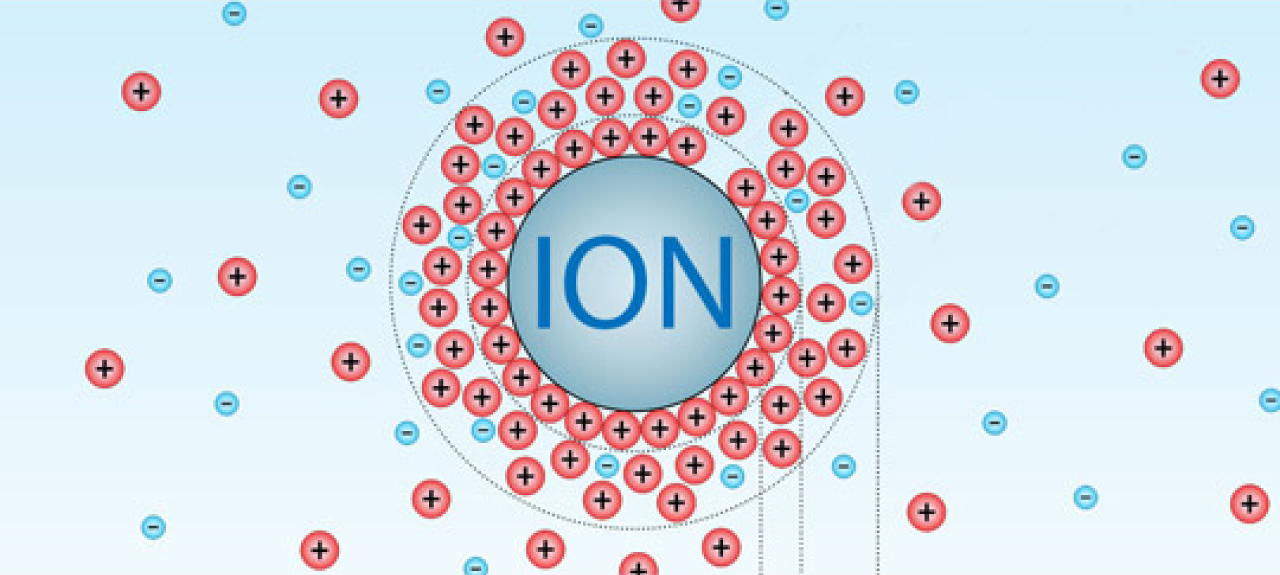
An ion is an atom or molecule that carries an electrical charge due to the loss or gain of electrons.
In general, ions are classified into two types:
Both types naturally exist in our environment and play an important role in influencing air quality and the spaces in which we live and work.
Positive Ions: Sources and Characteristics
Positive ions are commonly found in modern environments, particularly in areas with high pollution levels or intense electronic activity.
Sources of Positive Ions
Common sources include:
Characteristics of Positive Ions
Positive ions tend to:
Negative Ions: Natural Sources and Environments
Negative ions are typically abundant in clean, natural environments with minimal pollution.
Sources of Negative Ions
High concentrations of negative ions are found in:
These environments are often associated with a refreshing, clean, and revitalizing sensation when breathing.
How Do Negative Ions Work?
Negative ions carry extra electrons, allowing them to interact effectively with airborne particles.
Their primary mechanisms include:
In biological contexts, negative ions may also help neutralize free radicals by donating electrons.
Impact of Ions on the Human Body (Simplified Scientific Perspective)
1. Air Quality
Negative ions help improve air quality by reducing airborne particulate matter.
2. Respiratory Support
Cleaner air supports better lung function and more comfortable breathing.
3. Nervous System
Some studies suggest that environments rich in negative ions may promote relaxation and mental well-being.
4. Metabolism and Energy
Cleaner, oxygen-rich environments indirectly support metabolic processes and overall energy levels.
Negative Ions and Free Radicals
Free radicals are unstable molecules that lack electrons and can damage cells when present in excess. Negative ions may help by:
Applications of Negative Ions in Modern Life
With technological advancements, negative ion concepts are increasingly applied in various industries, including:
The primary goal is to enhance environmental quality, especially in areas exposed to high levels of pollution.
Important Note (Objective Perspective)
While negative ions offer several environmental and supportive health benefits:
Conclusion